Char Dham Yatra: Meaning, Route, Season and the Story of Each Dham
Yamunotri, Gangotri, Kedarnath and Badrinath: why the Char Dham matter, the story behind each shrine, the route, the season and how to plan the yatra.
Author: MARG TeamPublished: 4 min read
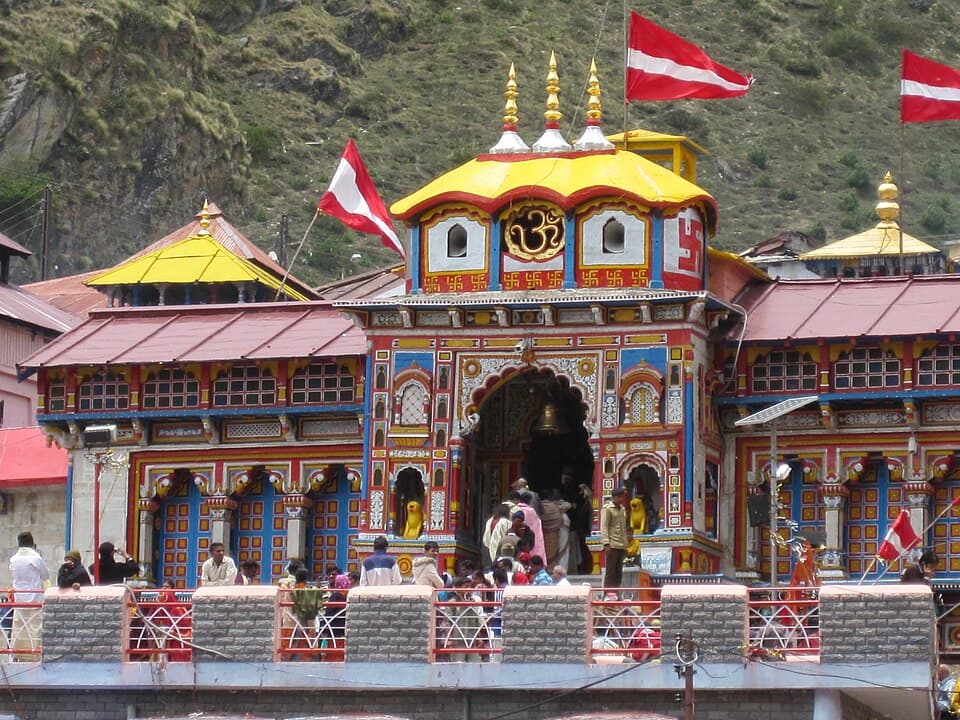
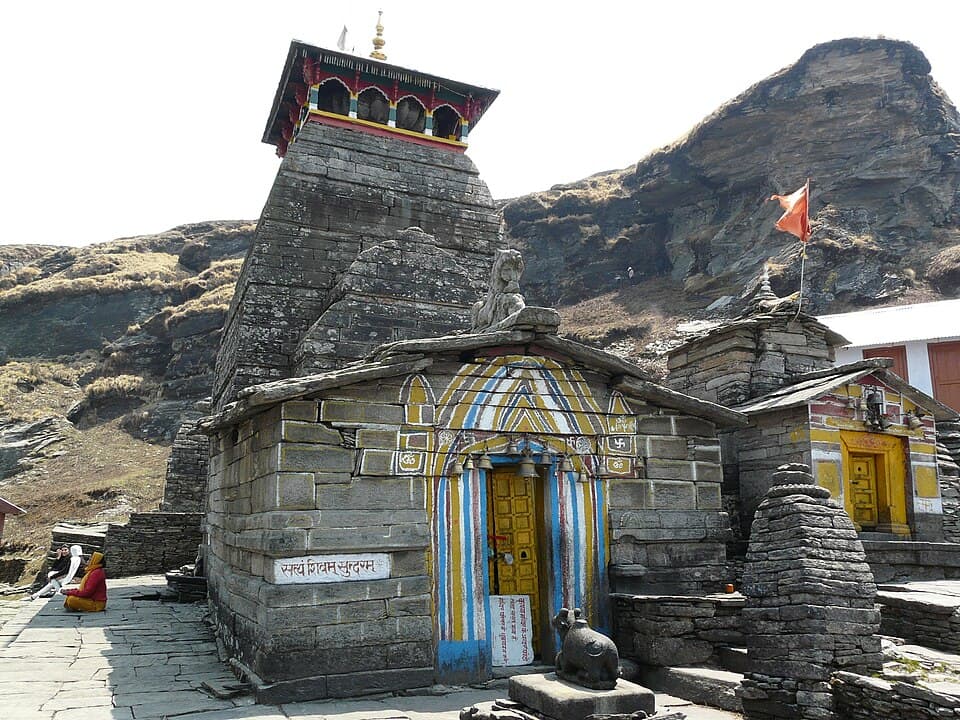
For centuries Hindus have dreamed of one journey into the Garhwal Himalayas: the Char Dham Yatra to Yamunotri, Gangotri, Kedarnath and Badrinath. Each "dham", or abode, is the seat of a deity and the source of a sacred river, and the four together are believed to wash away a lifetime of sins and open the way to moksha. This guide explains what each dham means, the order to visit them, the season, and how to plan.
Two Char Dhams: the Himalayan and the great
The yatra most people mean today is the Chota Char Dham of Uttarakhand. Older still is the Bada Char Dham said to have been established by Adi Shankaracharya at the four corners of India: Badrinath in the north, Dwarka in the west, Puri in the east and Rameswaram in the south. MARG has both journeys: the Char Dham Yatra and the Bada Char Dham.
The traditional route
Pilgrims traditionally travel from west to east, clockwise: Yamunotri, Gangotri, Kedarnath, then Badrinath. Most begin from Haridwar or Rishikesh, and the full circuit takes 10 to 12 days by road, less with helicopter services. Two dhams need a trek: about 6 km from Janki Chatti to Yamunotri, and about 16 km from Gaurikund to Kedarnath. Gangotri and Badrinath can be reached by road.
Yamunotri: the sister of Yama
The yatra begins at the source of the Yamuna, worshipped as the daughter of Surya and the sister of Yama, lord of death. It is said that whoever bathes in her waters is spared an untimely death. Near the Yamunotri temple the hot spring of Surya Kund is so hot that pilgrims tie rice and potatoes in cloth and cook them in it, to take home as prasad.

Gangotri: where the Ganga came down
Gangotri remembers King Bhagiratha, whose penance brought the Ganga down from heaven to free the souls of his ancestors; here the river is still called Bhagirathi. The true source, the Gaumukh glacier, lies about 18 km further up, a trek for the hardy. In winter the goddess is carried down to Mukhba, her winter home.
Kedarnath: Shiva among the snows
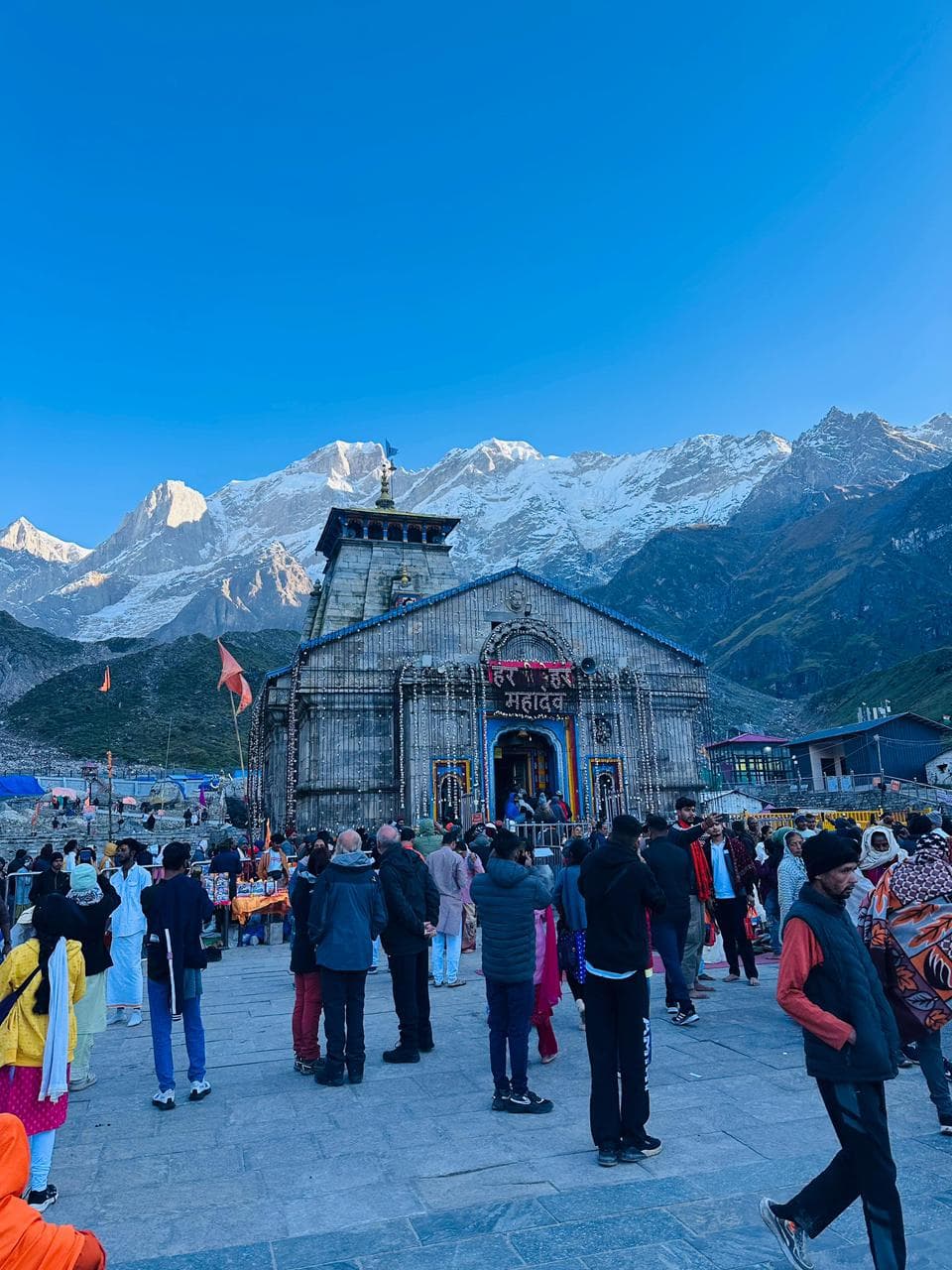
Kedarnath, the highest of the twelve Jyotirlingas, stands beneath snow peaks at the head of the Mandakini valley. Legend says the Pandavas came here seeking Shiva's forgiveness after the Kurukshetra war; Shiva hid from them as a bull and sank into the earth, leaving his hump here. The present stone temple is linked with Adi Shankaracharya, whose samadhi lies behind it. Read more in our story on Kedarnath.
Badrinath: Vishnu's meditation
Badrinath, on the Alaknanda, is where Vishnu is said to have meditated as Nar-Narayan. When the cold grew bitter, Lakshmi became a badri (jujube) tree to shelter him, giving the place its name. Pilgrims bathe in the hot Tapt Kund before darshan and visit Mana, the last village before Tibet, with its Saraswati temple and the Vasudhara falls.
When to go: opening and closing
- Opening: Gangotri and Yamunotri open around Akshaya Tritiya (late April or May). Kedarnath's date is announced on Maha Shivaratri and Badrinath's on Vasant Panchami.
- Closing: Gangotri closes around Govardhan Puja after Diwali, Yamunotri and Kedarnath on Bhai Dooj, and Badrinath in mid-November.
- Best months: May–June and September–October. July and August bring monsoon landslides.
- Winter seats: the deities move down to Kharsali (Yamunotri), Mukhba (Gangotri), Ukhimath (Kedarnath) and Pandukeshwar and Joshimath (Badrinath), where you can take darshan through the winter.
Planning tips
- Registration with Uttarakhand Tourism is required for every pilgrim; carry your registration and photo ID.
- Build in rest days for altitude, especially before Kedarnath, and carry warm and waterproof clothing even in June.
- Start treks early in the morning; weather in the high valleys turns in the afternoon.
- Ponies, palkis and helicopter services are available for those who cannot walk; book the helicopter in advance.
- Check road and weather updates daily during the monsoon.
Collect the Char Dham on MARG
Each dham, and many smaller shrines on the way, has its own Sacred Card. Check in at Yamunotri, Gangotri, Kedarnath and Badrinath to complete the yatra in your Spiritual Passport.
- Find one nearby. Open MARG and look at Nearby Temples, or browse temples across India.
- Check in when you arrive. Your visit is verified at the temple and added to your Spiritual Passport.
- Collect the Sacred Card. Most temples on MARG have their own card, unlocked on your first verified visit.
Char Dham Yatra: frequently asked questions
What are the four dhams of the Char Dham Yatra?
In Uttarakhand they are Yamunotri, Gangotri, Kedarnath and Badrinath. The Bada Char Dham across India are Badrinath, Dwarka, Puri and Rameswaram.
What is the correct order for the Char Dham Yatra?
Traditionally west to east: Yamunotri, Gangotri, Kedarnath and then Badrinath.
How many days does the Char Dham Yatra take?
About 10 to 12 days by road from Haridwar or Rishikesh, and less with helicopter services.
When do the Char Dham temples open and close?
They open between late April and May, around Akshaya Tritiya, and close between Diwali and mid-November. Exact dates are announced each year by the temple committees.
Is registration required for the Char Dham Yatra?
Yes. Every pilgrim must register with Uttarakhand Tourism before travelling.
The MARG app
Visit a temple near you
Take darshan, then check in with the MARG app: the visit joins your Spiritual Passport and you collect that temple's Sacred Card.