The Power of Mantra Chanting: Meaning, Mantras and How to Begin
What a mantra is, the great mantras of Hinduism and their meaning, the three ways of japa, and a simple daily practice for beginners.
Author: MARG TeamPublished: 4 min read
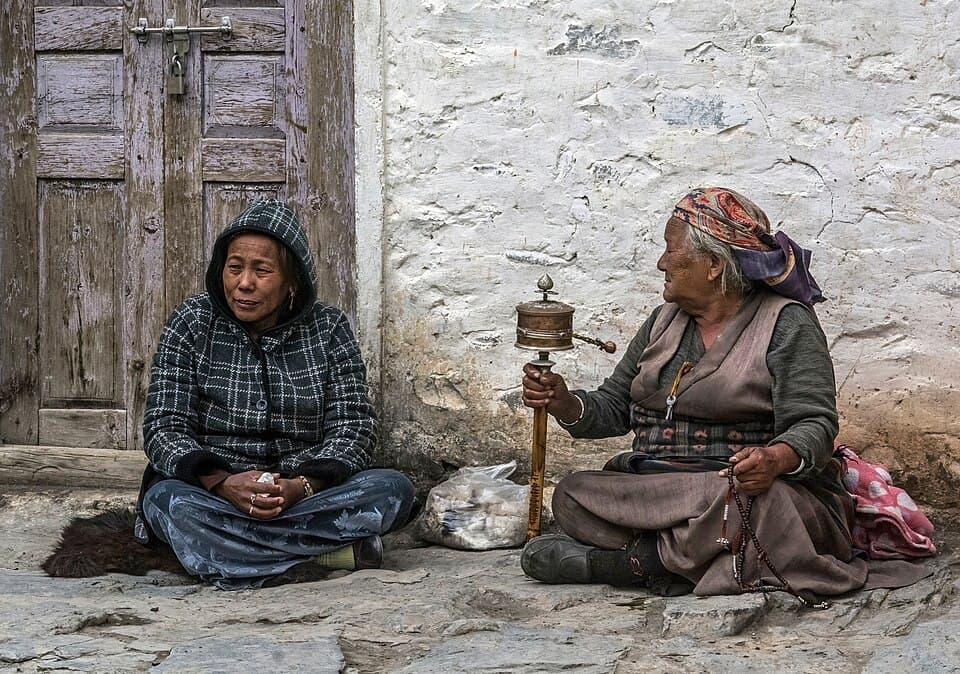
"Mantra" comes from two Sanskrit roots: "man", the mind, and "tra", that which protects or carries across. A mantra is a sacred sound or phrase that carries the mind beyond its restlessness. Repeated with attention and devotion, it is one of the oldest spiritual practices in the world, and one of the simplest to begin.
Om: the first sound
Om, or Aum, is called the Pranava, the primordial sound. The Mandukya Upanishad explains its three sounds, A, U and M, as the states of waking, dreaming and deep sleep, and the silence after it as the fourth, pure consciousness. Most mantras begin with Om.
Great mantras and their meaning
Gayatri Mantra
Om bhur bhuvah svah, tat savitur varenyam, bhargo devasya dhimahi, dhiyo yo nah prachodayat.
From the Rig Veda, revealed to the sage Vishvamitra: "We meditate on the glorious light of the divine Sun; may it inspire our minds." It is chanted at sunrise and sunset.
Mahamrityunjaya Mantra
Om tryambakam yajamahe sugandhim pushti-vardhanam, urvarukam iva bandhanan mrityor mukshiya mamritat.
Also from the Rig Veda, addressed to Shiva the three-eyed: "As the ripe cucumber is freed from the vine, may we be freed from death, not from immortality." It is chanted for healing and protection.
Om Namah Shivaya
The Panchakshara, the five-syllable mantra of Shiva, from the Sri Rudram of the Yajurveda: "I bow to Shiva."
Om Namo Bhagavate Vasudevaya
The twelve-syllable mantra of Vishnu and Krishna: "I bow to the Lord who dwells in all beings."
The Hare Krishna Mahamantra
Hare Krishna Hare Krishna, Krishna Krishna Hare Hare, Hare Rama Hare Rama, Rama Rama Hare Hare. Found in the Kali-Santarana Upanishad, and sung across the world in kirtan.
Japa: the practice of repetition
Japa is the repetition of a mantra, often counted on a mala of 108 beads with one larger bead, the sumeru or guru bead, which is not crossed: at the end of a round you turn the mala and go back. Tradition describes three ways of japa:
- Vachika: aloud, which helps a wandering mind
- Upamshu: whispered, with only the lips moving
- Manasika: silently in the mind, considered the most powerful

A simple daily practice
- Choose one mantra, ideally one given by your guru or one you feel drawn to.
- Sit at the same time and place each day, with your back straight. The early morning, Brahma Muhurta, about an hour and a half before sunrise, is traditional.
- Begin with a few slow breaths, then chant one round of 108.
- Keep your attention on the sound and its meaning. When the mind wanders, gently come back.
- End with a moment of silence before you get up.
Many people find that a few minutes of steady chanting slows the breath and quietens the mind. Start small and keep going: regularity matters more than length.
Hear mantras in the temple
Mantras come alive in the temple. Hear the Rudram at Kashi Vishwanath, the Bhasma Aarti at Mahakaleshwar in Ujjain, or kirtan at the ISKCON temple in Vrindavan.
Chant at a temple near you
Join the morning or evening aarti at a temple near you and chant along. Each temple on MARG has its own Sacred Card.
- Find one nearby. Open MARG and look at Nearby Temples, or browse temples across India.
- Check in when you arrive. Your visit is verified at the temple and added to your Spiritual Passport.
- Collect the Sacred Card. Most temples on MARG have their own card, unlocked on your first verified visit.
Mantra chanting: frequently asked questions
What does the Gayatri Mantra mean?
"We meditate on the glorious light of the divine Sun; may it inspire our minds."
Why does a japa mala have 108 beads?
108 is a sacred number in Hinduism; one round of the mala completes 108 repetitions of the mantra.
What is the best time to chant mantras?
Brahma Muhurta, about an hour and a half before sunrise, is traditional, but any regular time works.
Can I chant mantras without a guru?
Universal mantras like Om, Om Namah Shivaya and the Hare Krishna mantra are widely chanted by all. For initiation into a personal mantra, seek a guru.
What is the difference between vachika, upamshu and manasika japa?
Vachika is chanted aloud, upamshu whispered, and manasika repeated silently in the mind.
MARG ऐप
Visit a temple near you
Take darshan, then check in with the MARG app: the visit joins your Spiritual Passport and you collect that temple's Sacred Card.