Kedarnath: The Himalayan Abode of Lord Shiva
The highest of the twelve Jyotirlingas: the Pandava legend, Adi Shankaracharya, the 2013 flood and the Bhim Shila, the 16 km trek, and when Kedarnath opens and closes.
Author: MARG TeamPublished: 4 min read
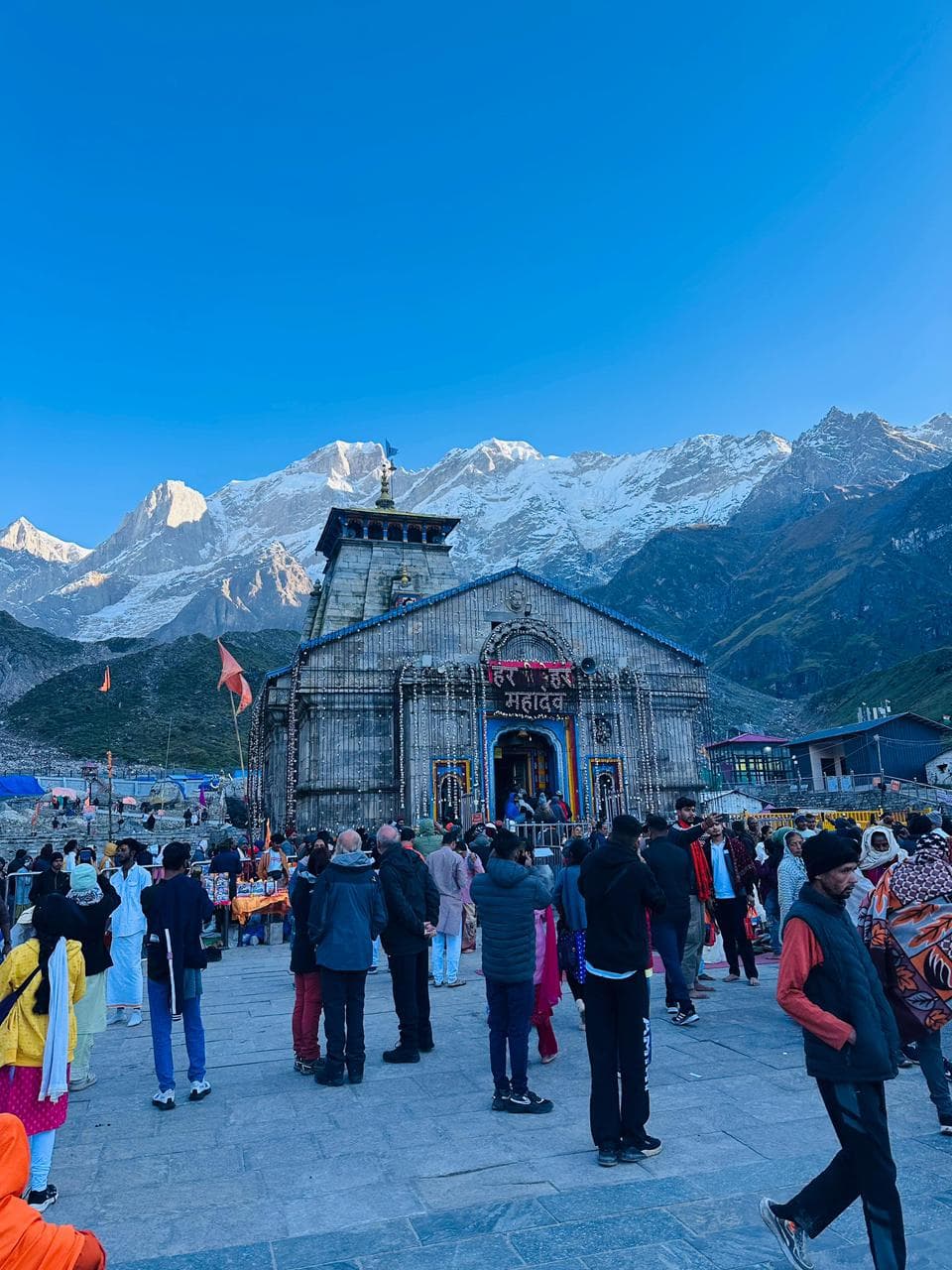
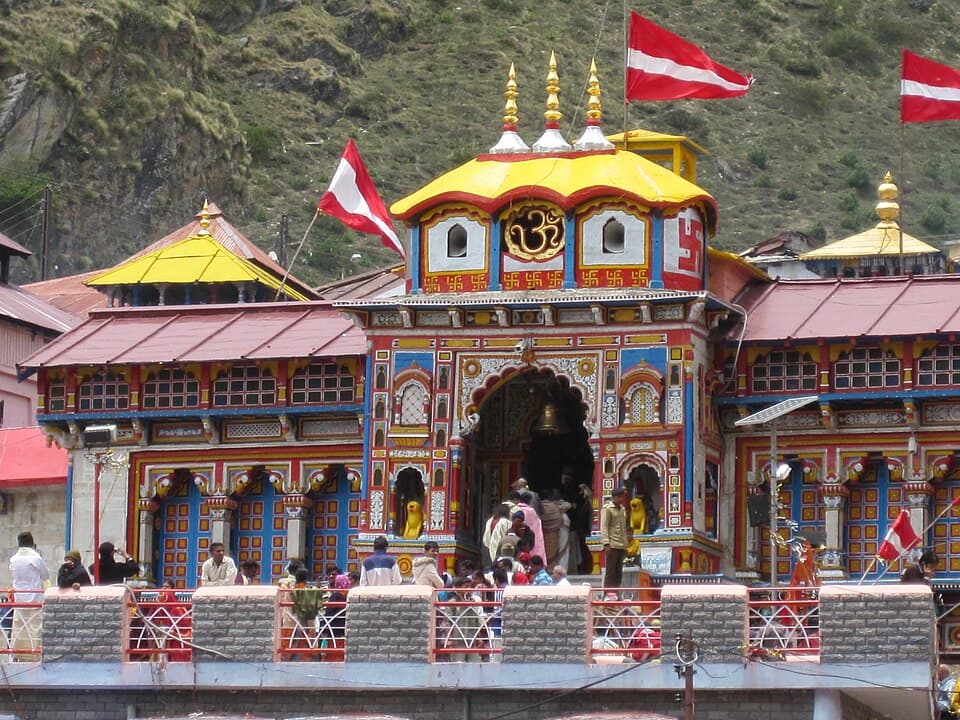
At 3,583 metres, beneath the snow peaks of the Kedarnath range and beside the young Mandakini river, stands the highest of Shiva's twelve Jyotirlingas. Kedarnath is one of the four Char Dhams of Uttarakhand and the first of the Panch Kedar, and for many pilgrims it is the hardest and most moving darshan of their lives.
The legend of Kedarnath
After the Kurukshetra war the Pandavas sought Shiva to atone for the sin of killing their kin. Shiva avoided them and took the form of a bull among the herds near Kedar. When Bhima recognised him, the bull plunged into the earth, leaving only its hump above ground. That hump is the rock-like lingam worshipped at Kedarnath, unlike the smooth lingams of other temples. The rest of the body appeared at the other four shrines of the Panch Kedar.
Another story tells that Nara and Narayana, two forms of Vishnu, did penance here, and Shiva agreed to stay for ever as a Jyotirlinga, a pillar of light.
History of the temple
The massive grey stone temple is traditionally linked with Adi Shankaracharya, who is believed to have revived it in the 8th century and attained samadhi in these mountains; a statue marks his samadhi behind the temple, unveiled in 2021. The temple stands on a broad platform, built to withstand centuries of snow, avalanches and cold.
The 2013 flood and the Bhim Shila
In June 2013 a cloudburst and a glacial lake burst sent a devastating flood down the valley. Thousands lost their lives and the town was destroyed, but the temple survived. A huge boulder, now worshipped as the Bhim Shila, came to rest just behind it and split the torrent around the shrine. Kedarnath has since been rebuilt, with a new path, ghats and safety walls.

Opening and closing dates
Kedarnath is open for about six months a year. The opening date is announced on Maha Shivaratri and usually falls in late April or May, around Akshaya Tritiya. The temple closes for winter on Bhai Dooj, after Diwali; in 2026 Bhai Dooj falls on 11 November, and the temple committee announces the exact date. In winter Kedarnath's deity is carried down to the Omkareshwar temple at Ukhimath, where you can take darshan until the spring.
The trek to Kedarnath
- Distance: about 16 km from Gaurikund, the last road point, along a paved mountain path.
- Time: 6 to 8 hours up for most walkers; many stay the night at Kedarnath.
- Other ways up: ponies, palkis and helicopter services from Phata, Guptkashi and Sirsi.
- Before Kedarnath: stop at Guptkashi, where Shiva first hid from the Pandavas, and at Sonprayag.
- At Kedarnath: visit Bhairavnath, the guardian of the shrine, above the temple, and if you are fit, walk to Vasuki Tal or Chorabari Tal.
Practical tips
- Registration with Uttarakhand Tourism is mandatory for the Kedarnath yatra.
- Acclimatise for a day on the way, walk slowly and drink plenty of water.
- Carry warm and waterproof clothing; it can snow even in May.
- Start the trek early in the morning and avoid the monsoon months of July and August.
- Book helicopter tickets only through the official channels.
Kedarnath is on MARG's Char Dham Yatra, Panch Kedar Yatra and 12 Jyotirlinga Yatra.
Check in at Kedarnath
Kedarnath has its own Sacred Card on MARG. Check in when you reach the temple to add it to your Spiritual Passport, and collect Bhairavnath's card on the walk above.
- Find one nearby. Open MARG and look at Nearby Temples, or browse temples across India.
- Check in when you arrive. Your visit is verified at the temple and added to your Spiritual Passport.
- Collect the Sacred Card. Most temples on MARG have their own card, unlocked on your first verified visit.
Kedarnath: frequently asked questions
When does Kedarnath temple open?
Usually in late April or May. The date for each year is announced on Maha Shivaratri.
When does Kedarnath close for winter?
On Bhai Dooj, after Diwali. The deity then moves to the Omkareshwar temple in Ukhimath.
How long is the Kedarnath trek?
About 16 km from Gaurikund, taking 6 to 8 hours for most people.
Is Kedarnath a Jyotirlinga?
Yes. It is the highest of the twelve Jyotirlingas of Shiva.
What is the Bhim Shila at Kedarnath?
The boulder that stopped behind the temple during the 2013 flood and split the water around it; it is now worshipped.
The MARG app
Visit a temple near you
Take darshan, then check in with the MARG app: the visit joins your Spiritual Passport and you collect that temple's Sacred Card.